
LOW-SLOPE ROOF SYSTEMS
Roofing Built to Last

GET A SPEEDY FAST QUOTE™
Just Call Or Fill Out The Form Below
High-Quality Low-Slope Roofs
For any business property owner, you have to juggle a wide variety of things. You have obligations to your customers and employees; you must consistently and reliably provide the services you offer, and you must maintain your property space for both your own needs and the needs of your clients. In today's competitive environment, maintaining a professional image is crucial, requiring not only functionality but also aesthetic appeal. Effective property maintenance is a significant responsibility in itself; things need to look good and clean, as well as function consistently and affordably, because the proper maintenance of your property can impact the success and daily operations of your business.
LOW SLOPE ROOFING SERVICES
We Provide
That's where a Low-Slope Roof System installed by the roofing experts at S & S Roofing in New Jersey can come in. The quality of our service, materials, and installation is unparalleled, and with a roof system from S & S, you won't have to worry about your roof’s condition for quite some time. Our experienced team works closely with clients to ensure their specific needs are met. Continue reading to learn more about our Low Slope Roof Systems and determine if they are the right fit for your business property location.
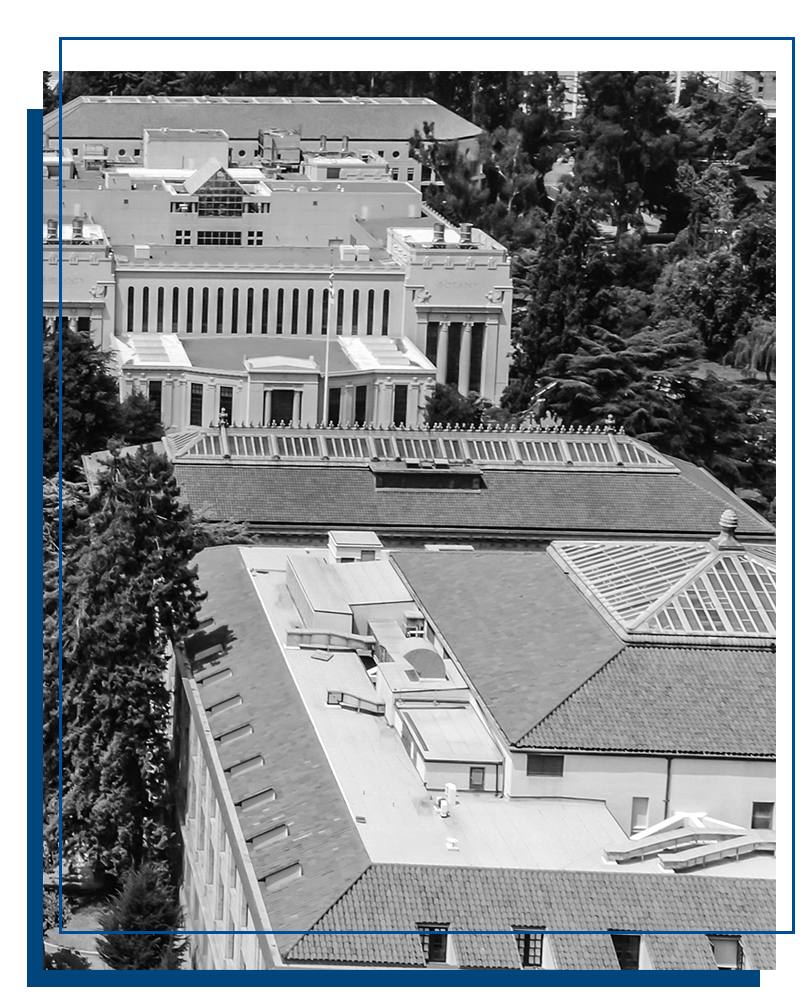
One aspect of maintaining a property that many business property owners may not consider is the quality and condition of their roof system. There are various aspects of your property that you see and use every day, but you rarely look up at your roof, let alone think about its current condition. Many might approach their roof system with a “if it ain't broke, don't fix it” attitude, which can work for a while. However, understanding and addressing potential issues early is crucial for long-term savings. But even the sturdiest and most well-made roofs can develop problems over time. Whether it's the seasonal weather in the area, the wear and tear from your business operations, or even just a specific roof design that isn’t very optimal for the conditions it’s under, all roof systems can degrade over time. For any savvy business owner trying to manage expenses and their budget, a damaged or ineffective roof can lead to much bigger and more expensive problems for the business down the road.
What is a Low-Slope Roof System?
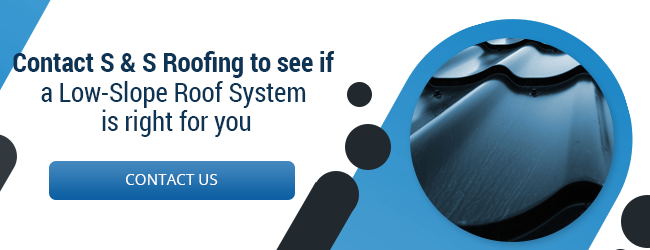
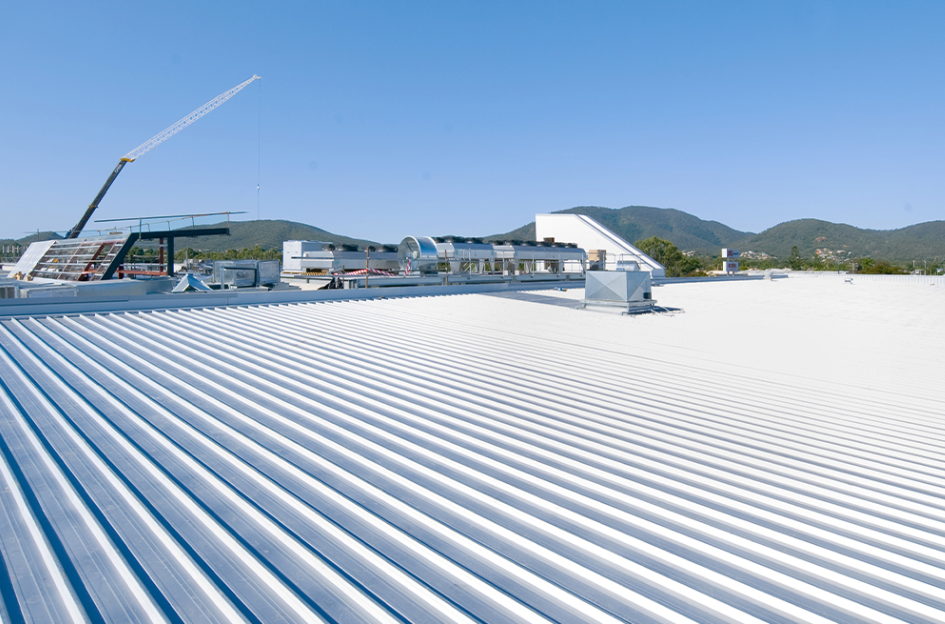
You may have heard of a low-slope roof system before, but you might be unaware of what a low-slope roof system is. All roofs have a vertical grade that determines their slope steepness, and this characteristic influences various factors affecting how the roof operates and maintains its functioning condition over time. A low-slope roof system is precisely what it sounds like; it is a roof system that is slightly sloped up, looking nearly flat but without being fully flat. This slight inclination allows for more effective rain drainage than a truly flat roof. The rule of thumb for a low-slope roof is adding a slight pitch of ¼ inch of slope for every one foot of roof.
Simply put, in the measurable space of one foot, the roof will rise ¼ of an inch. Few roofs are entirely flat, as this can make drainage much more difficult. Therefore, a low-slope roof system still has the necessary pitch to offer adequate drainage. The ability of a low-slope roof system to effectively drain is somewhat limited. Still, it's a trade-off for some of the other benefits of utilizing a low-slope roof system for your business property. Proper drainage is critical to preventing water pooling, which can lead to leaks and extensive damage over time. A well-maintained low-slope roof, using the right materials, can effectively mitigate these issues. Ultimately, investing in a low-slope roof system ensures the longevity and optimal performance of your commercial space.
Is a Low-Slope Roof System Right for My Property?
For a question like this, only you, as a business owner, know what's best for your business. A low-slope roof system can offer some incredible benefits for your property, but it comes at the cost of some other features that your specific property situation may require. A business property that utilizes a low-slope roof system can benefit from improved heating and cooling efficiency, as there is less excess air in the attic space, which can hinder your building's ability to heat and cool efficiently. This can result in significant energy savings over time. Installation is usually cheaper, as low-slope roof systems require fewer materials and labor. The near-flat slope makes it easier and more accessible to get on the roof for maintenance. However, low-slope roof systems are not as effective at draining water and snow as higher-sloped roofs, which means you will need to remove water buildup and debris to avoid more severe damage to your roof.
EPDM
EPDM stands for ethylene-propylene diene terpolymer, a highly advanced roofing material. The EPDM on a low-slope roof is a synthetic rubber roofing membrane made from thermosetting rubber material, providing durable weather resistance and temperature control features. Its robust nature is particularly well-suited for varying climates and harsh weather conditions. It comes in both white and black, depending on the weather conditions of your property and your preferences; the carbon black version is more UV- and tear-resistant, while the white titanium oxide version does a better job of reflecting heat and UV rays. An EPDM low-slope roof system installed by our team at S & S Roofing can last up to 30 years or more with proper maintenance, making it a cost-effective choice in the long run..
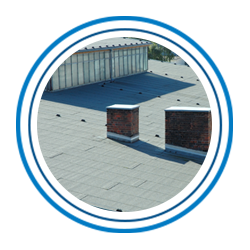
Thermoplastic
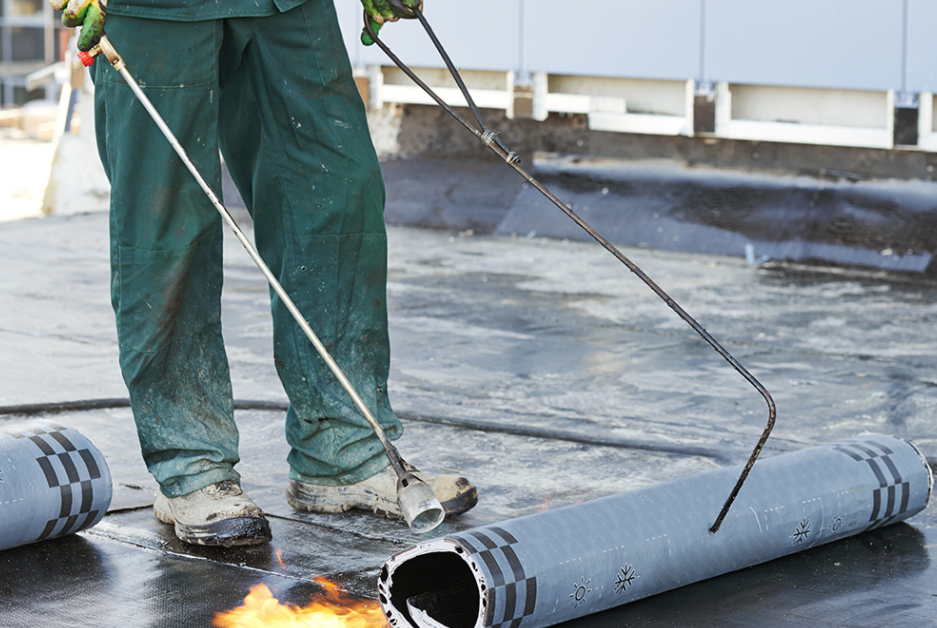
Thermoplastic low-slope roofing offers similar benefits to EPDM, but uses a different material and installation process. The thermoplastic is a single-ply sheet membrane that is applied to your roof by solvent welding, using hot air to melt and attach the material to your roof. This membrane material can be heated and cooled repeatedly to properly shape and reshape it, whether softening or hardening is required. This flexibility makes thermoplastic materials an excellent choice for dynamic weather patterns. Thermoplastic low-slope roofing offers exceptional resistance to UV rays, weathering, chemicals, and ozone, while also effectively redirecting heat away from the building.
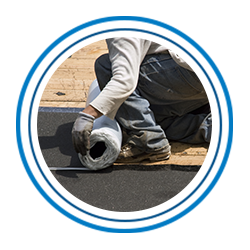
Modified Bitumen
A modified bitumen low-slope roof utilizes a distinct material that offers several benefits compared to the other low-slope roof systems we offer at S & S. The material is primarily composed of tar and asphalt. This differing makeup offers high-level resistance to hail and foot traffic, providing excellent protection for businesses on the East Coast during the winter, while also limiting weathering from consistent low-slope roof system maintenance. Its toughness makes it one of the most reliable options for commercial spaces. This material can also provide superior waterproofing that prevails through fluctuating climates and temperatures. A “cool roof” coating can be applied to help achieve energy codes while efficiently keeping buildings cool.
na
LOW-SLOPE ROOF SYSTEMS IN NEW JERSEY - S & S ROOFING
When it comes to your business property or building, the more you can improve and rely on it, the less you have to worry and pay for it, and the better your business can function. A low-slope roof system isn't for every building or business. Still, when it's the optimal choice for your business and is installed by highly trained and experienced roofing professionals like our team at S&S Roofing, you can help support your business's function for decades to come. We also provide expert advice on maintenance and potential upgrades. Choosing the right roofing system can significantly enhance your property's longevity and performance. Trust S & S Roofing to deliver quality solutions tailored to your specific needs. Contact S & S Roofing in New Jersey today to see how our low-slope roof system can support you!